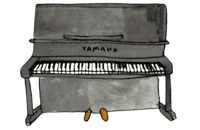


Restoring a Steinway Piano
Older Steinways are often restored before they are sold, and the word “restored” covers everything from a light going-over to a full rebuild costing tens of thousands. This explains what the work involves and why it matters so much to the value.
We should say up front that we are Yamaha specialists, not a Steinway restorer. This is general guidance to help you ask the right questions, not a pitch for the work.
What can be restored
Almost every part of a piano can be renewed. The main jobs, roughly in order of cost and importance, are:
- Restringing. New strings, and often new tuning pins. Fairly routine.
- The action. The moving parts under the keys, the hammers and the dampers. Hammers wear, and can be reshaped or replaced. A full action overhaul is a big job.
- The soundboard. The large wooden board that makes the sound. Small cracks are common and not always a problem. Replacing or repairing a soundboard is major work and expensive.
- The pinblock. The wooden block that holds the tuning pins. If a piano will not hold its tuning this may need replacing, which means lifting out the frame. Another big job.
- Casework. Refinishing the outside. Cosmetic, but it is what people notice first.
Genuine Steinway parts, or not
Here is the point that matters most for value. Steinway makes its own parts, and a piano rebuilt with genuine Steinway parts by someone who knows the make is worth considerably more than one rebuilt with cheaper substitutes. Some rebuilders fit non-Steinway soundboards, hammers or actions. The piano may play perfectly well, but it is no longer all Steinway, and the trade prices it accordingly. Ask, in writing, exactly what was replaced and with what.
What it costs
A full and proper rebuild of a Steinway grand, with genuine parts, runs into many thousands of pounds and can approach the cost of the piano itself. That is why a cheap “restored” Steinway should make you curious rather than excited. Good work is expensive, and the price usually shows it.
Restore, or buy one already done
If you own a tired Steinway you love, restoring it can be worth it, both for the result and because it is your piano. If you are buying, it is usually less risky to buy one already restored by a known workshop, so you can hear the finished result rather than pay for a promise. Either way, get the work, and the parts, in writing.